sustina
What is "sustina"?
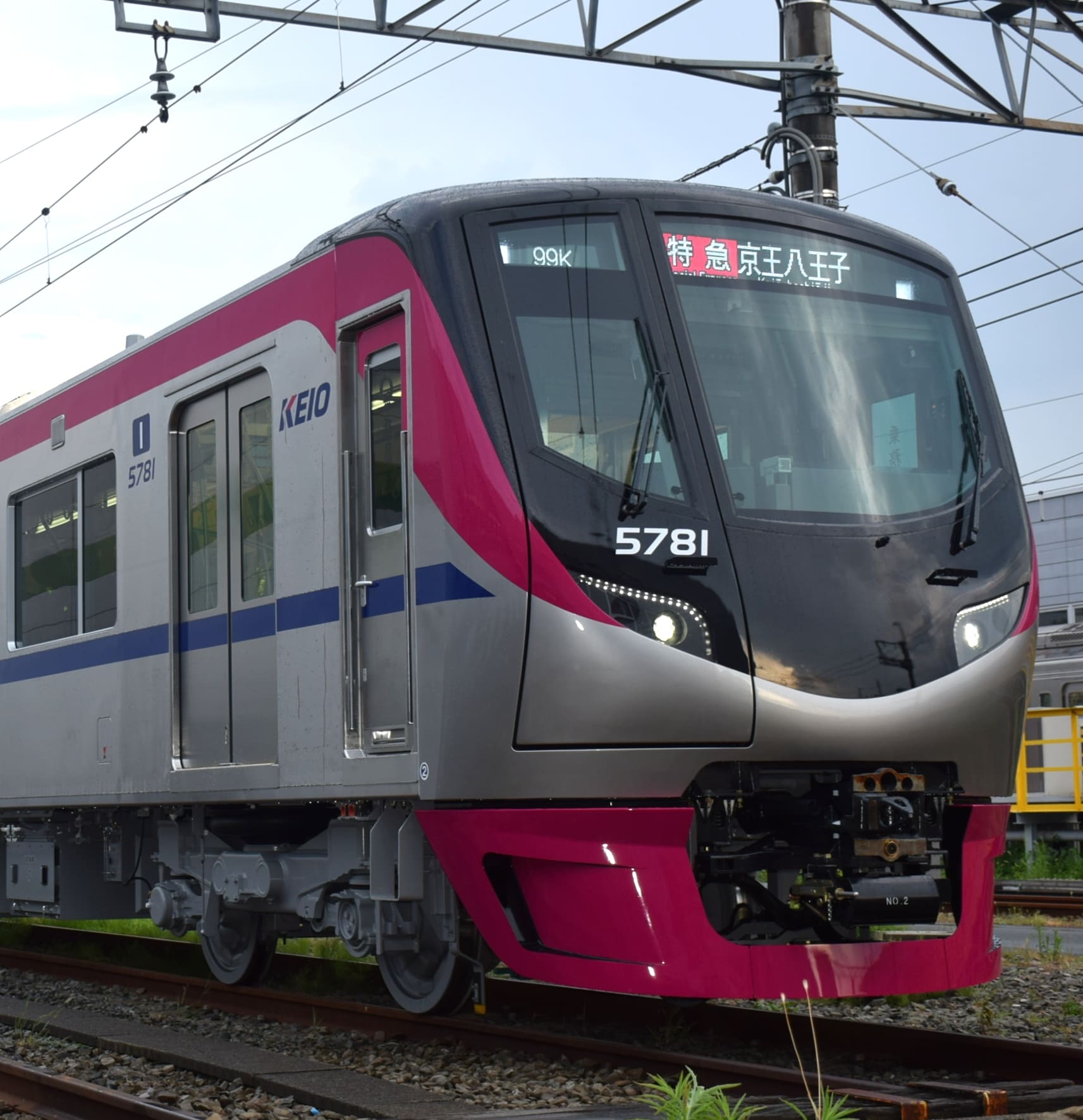
The brand name “sustina” for our next-generation stainless steel vehicles is a coined term combining “SUS” (indicating stainless steel), “sustainable”, meaning easy to maintain for aesthetic purposes, and the suffix “-ina” from Roman mythology, signifying a goddess who saves the Earth.
SUSTAINABILITY
Recycling Stainless Steel.
As environmental measures such as carbon neutrality and the SDGs become increasingly essential, stainless steel—one of the origins of the name “sustina”—can be recycled into the same material through level material recycling.
- Scrapped vehicle: Stainless steel vehicles that were in service for over 30 years.
- Disassembly of car body: Dividing the car body into two parts to reduce transportation costs.
- Transportation: Transported by truck to a shredding company.
- Unsorted dismantling: Dismantling to shredder-sized pieces using a nibbler.
- Recycling: Shredding and sorting into chips.
- Steelmaking: The ratio of the scrap material in the raw materials is 50% or more.
- Rolling: Recycled and delivered as stainless steel.
- Fabrication of car body structure: Processing materials and assembling them into the car body structure.
Shining on together with the Earth.
Stainless steel vehicles are highly resistant to corrosion and maintain their beautiful shine for a long time.
Since they do not require painting, they also helps reduce the use of organic solvents.
In addition, it achieves a weight reduction equivalent to that of the aluminum vehicle contributing to energy savings by reducing power costs and electricity consumption.
sustina CONCEPT
sustina platform
design originality
◾️ sustina platform
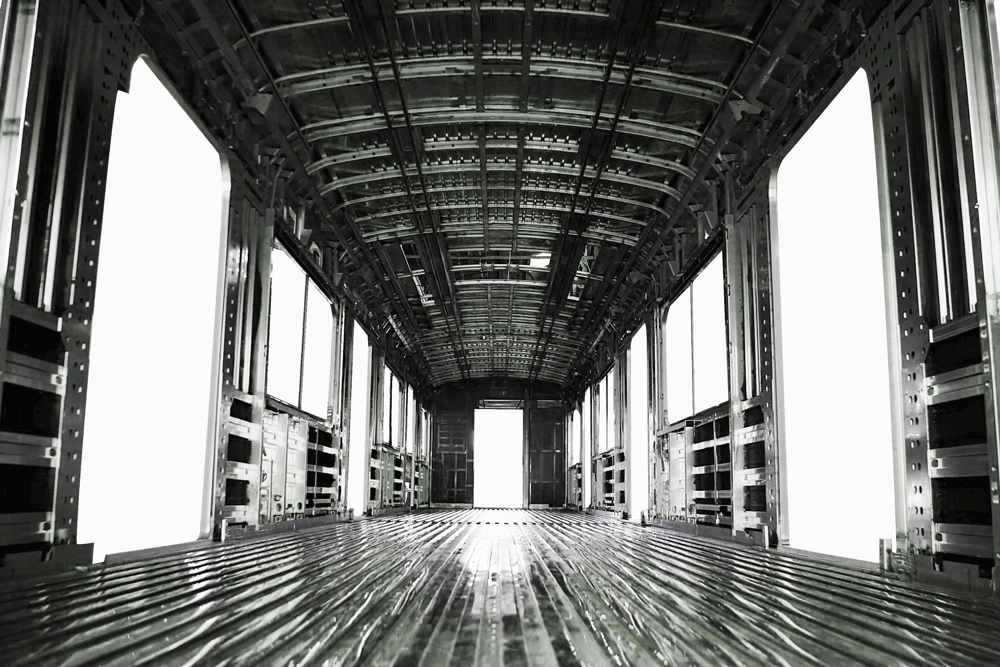
Simply producing a small number of a wide variety of vehicles unique to each railway operator led to issues in terms of energy, resources, and time required for design and manufacturing, as well as development costs and equipment/parts costs.
Provided that user safety remains the top priority, making fundamental portions common can lead to the elimination of many processes, a significant reduction in initial costs, and lower lifecycle costs, including maintenance.
From the perspective of J-TREC for supporting the manufacturing of various vehicles, we have been promoting the “sustina platform” with sustainability as our theme.

◾️ design originality
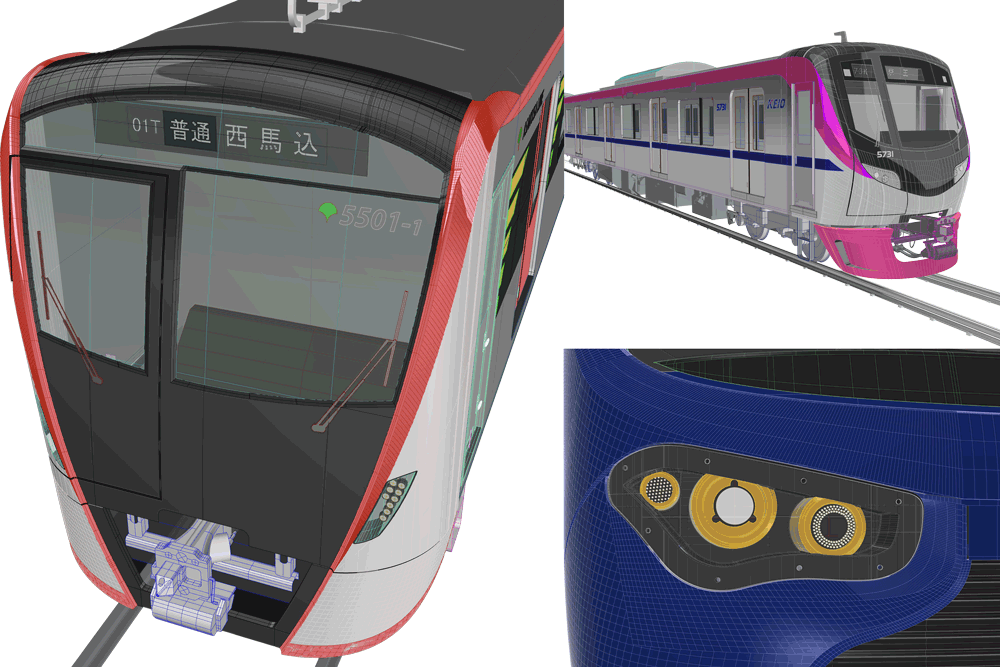
While making the fundamental portions of the vehicles common, we aim to enhance the design originality, and will continue to pursue passenger comfort further. Even in an era of population decline, sustaining and enriching the culture of areas along the railway lines is another concept important for “sustina”.
The sight of trains running through a city becomes a unique, local landscape and supports the civic pride of the local residents.
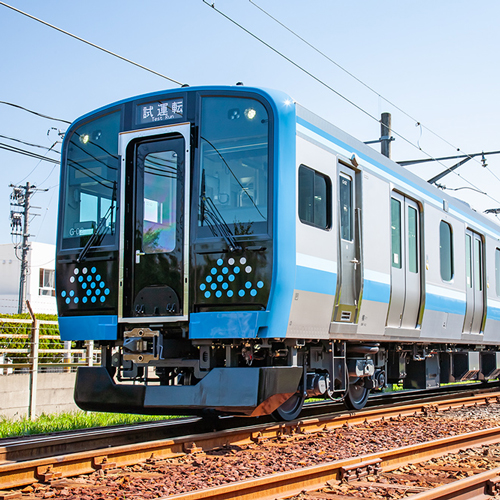
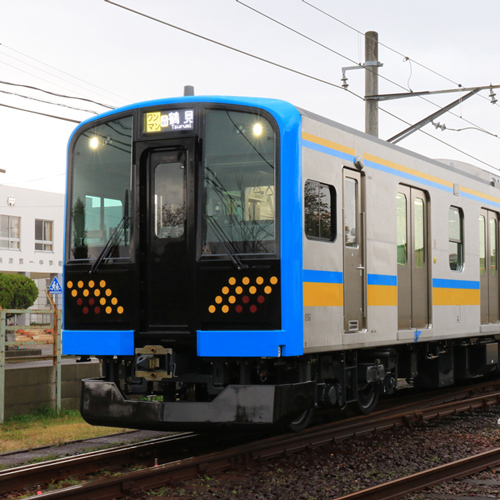
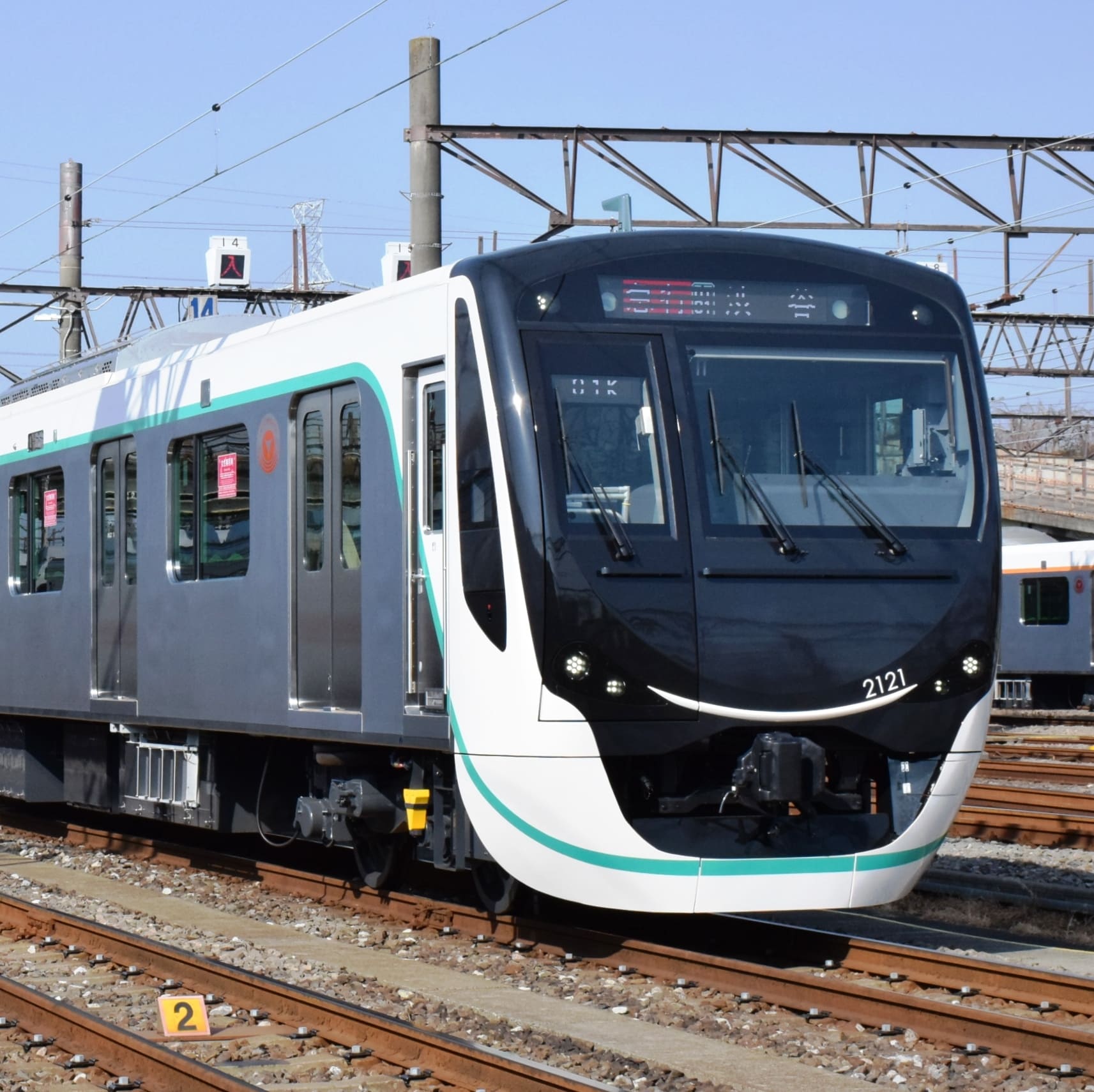
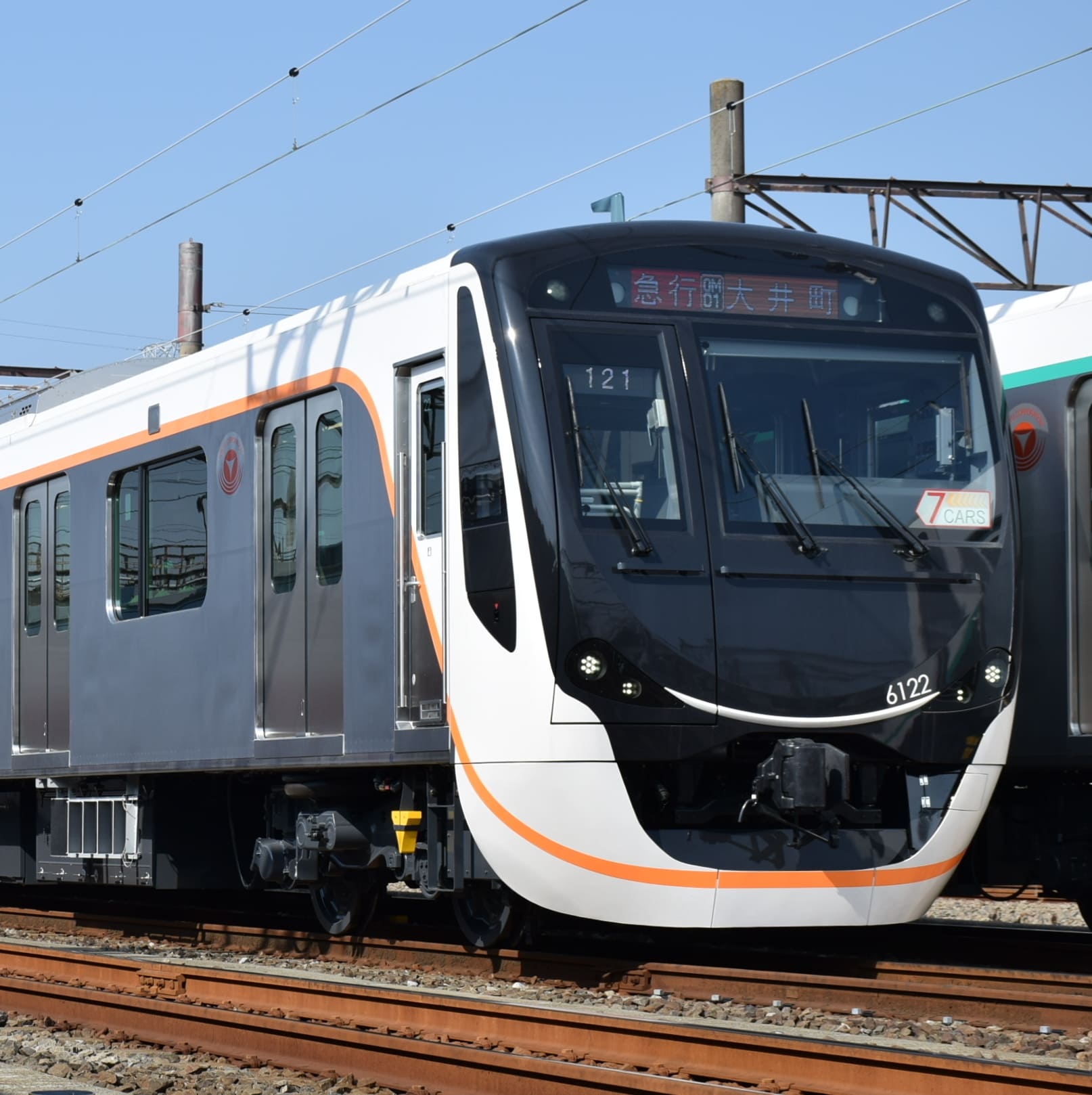
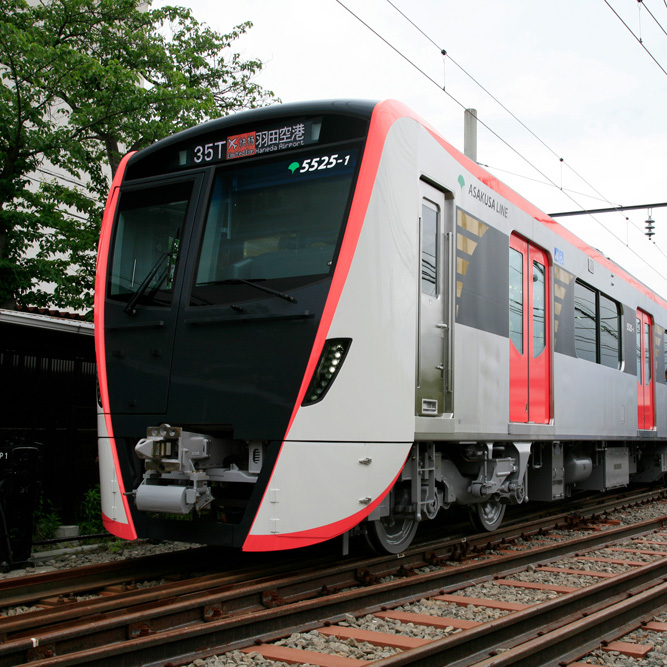
To express the lifestyle and culture nurtured by the people living along the railway line, as well as their affection and pride for the region, we enable unique designs on a solid, common platform.
sustina PRODUCTS
sustina STORY
1958
◾️Semi-Stainless Steel Vehicles
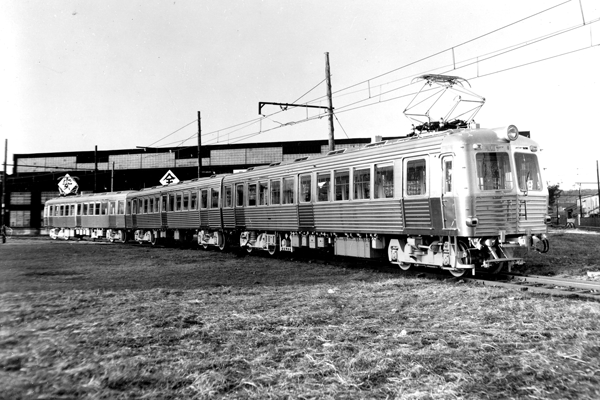
Japan’s first stainless steel train, the TOKYU RAILWAYS Series 5200 train, was born. By using stainless steel for the outer plates, it eliminates the need for painting, thereby reducing maintenance requirements. Although the main frame was made of ordinary steel, making it a semi-stainless steel vehicle, it played a pioneering role in the subsequent spread of stainless steel trains.
1962
◾️Stainless steel vehicles manufactured with U.S. technology
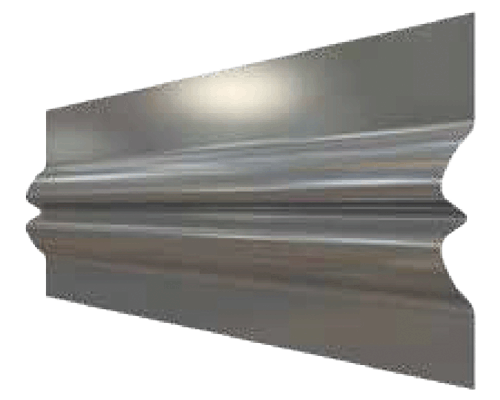
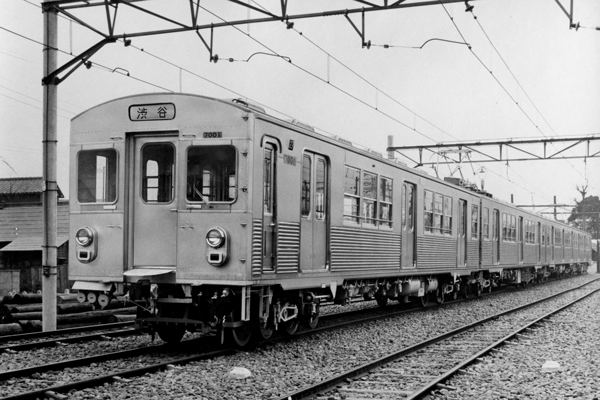
The technical partnership was established with BUDD Corporation of the United States In 1958. The dedicated line was opened in Yokohama Plant in order to introduce all stainless steel vehicle manufacturing technology. This led to the creation of the TOKYU RAILWAYS Series 7000, Japan’s first all stainless steel train. It is characterized by its functional appearance with corrugated outer plates.
1980
◾️Lightweight Stainless Steel Vehicles
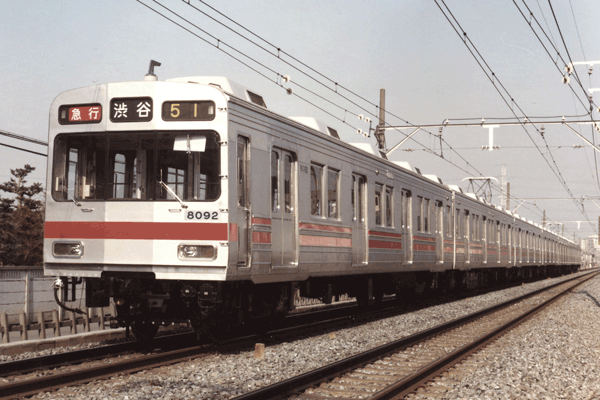
We challenged to reduce weight with the computer-aided analysis, and developed the low-carbon stainless steel SUS301L jointly with the steel manufacturer, successfully resolving corrosion cracking and further reducing the weight of the car body.
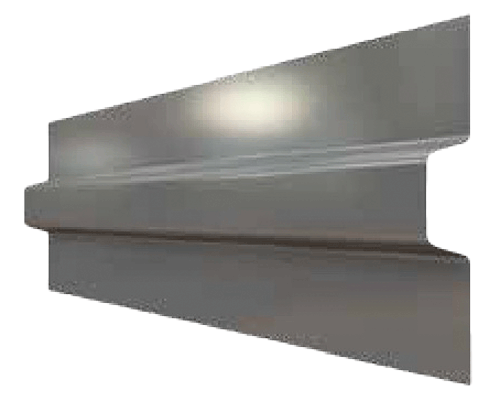
The TOKYU RAILWAYS Series 8090, with a weight reduction of approximately 2.8 tons per car, debuted in 1980 as the first mass-produced train.
1992
◾️New Series Stainless Steel Vehicles
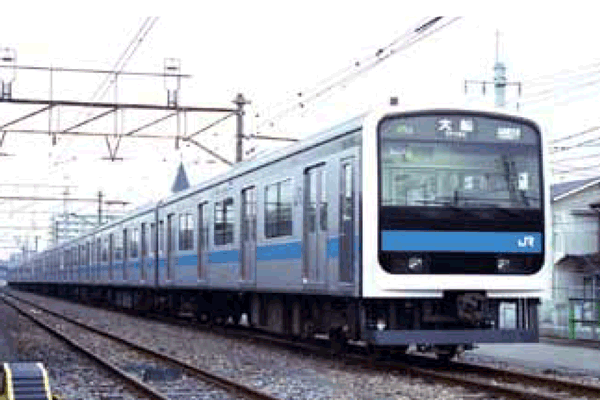
In collaboration with East Japan Railway Company, we developed vehicles based on the concept of “half the lifespan, half the price, and half the weight,” successfully achieving both weight reduction and cost reduction.
The East Japan Railway Company Series 901, a new series of stainless steel trains, was born by achieving significant reductions in maintenance costs through a new maintenance.
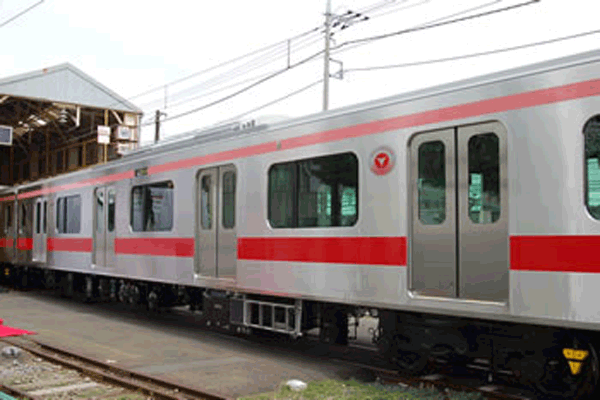
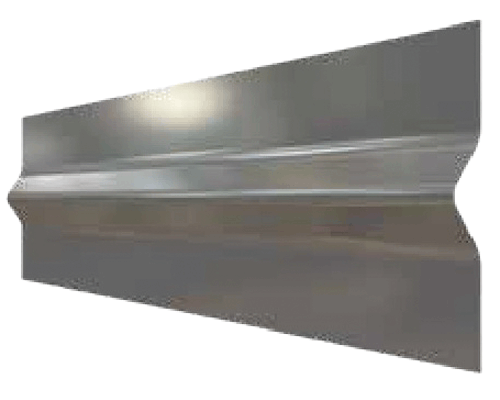
“Segiri” refers to a technique in which the edges of overlapping stainless steel outer plates are slightly overlapped when joining them by spot welding.
2013
◾️”sustina” Prototype
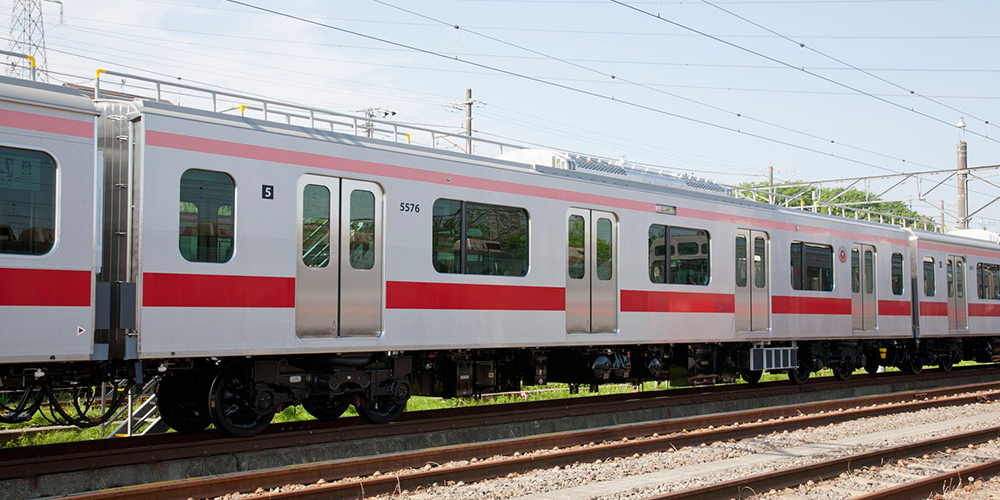
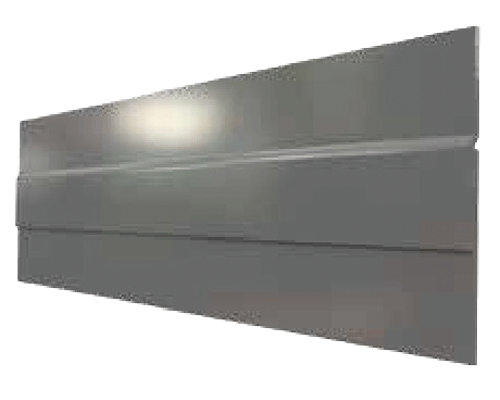
Laser welding made it possible to achieve a fully flat outer plate. In addition, the optimized design led to reduce the weight by approximately 0.5 tons further compared to previous vehicles, achieving a mass equivalent to that of an aluminum car body structure. In 2013, The TOKYU RAILWAYS Series 5050 (Car No. 5576) was unveiled as a prototype of “sustina”.
2015
◾️”sustina” Common Platform
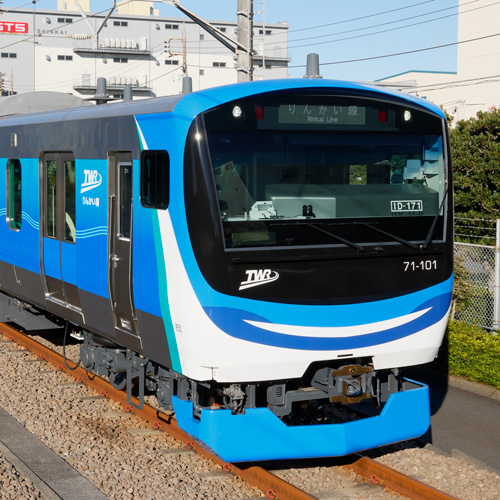
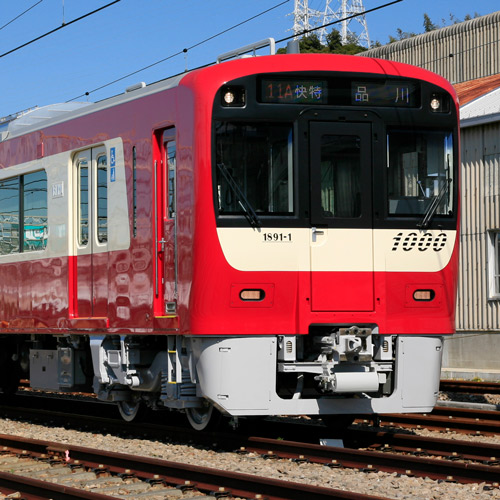
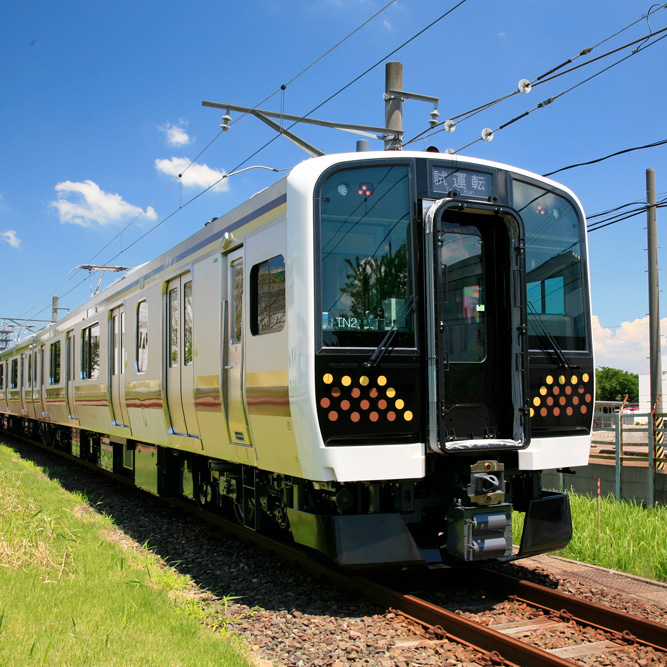
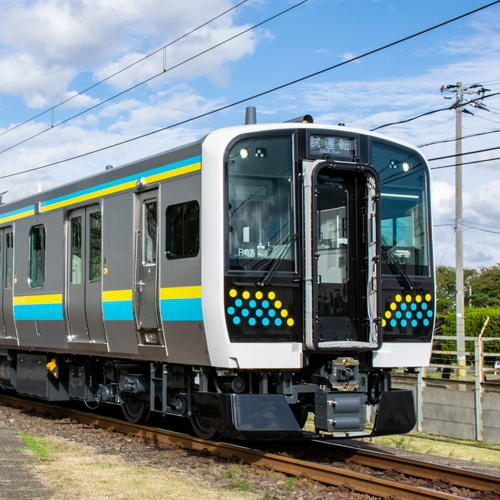
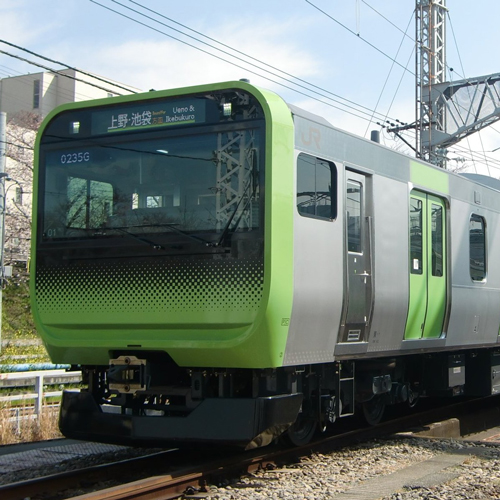
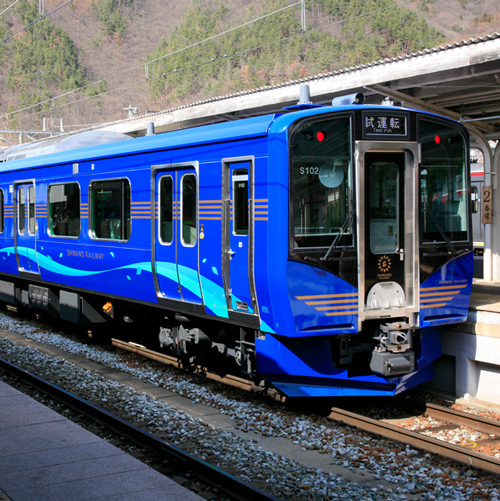
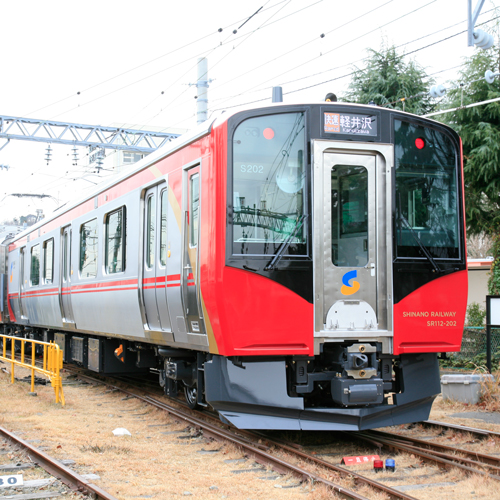
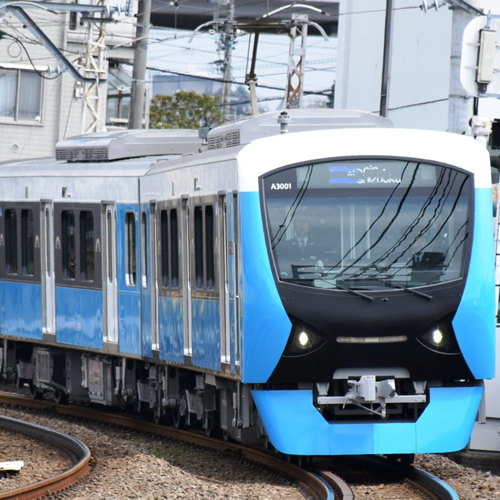
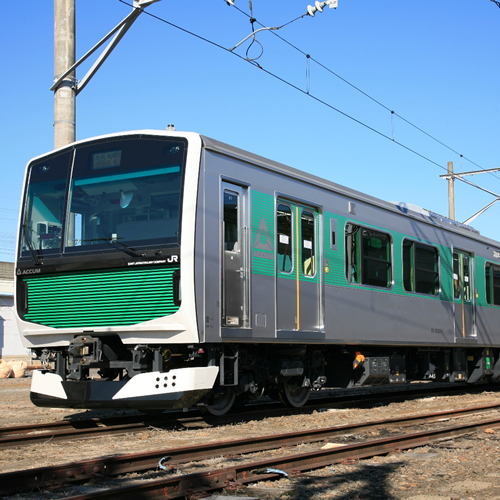
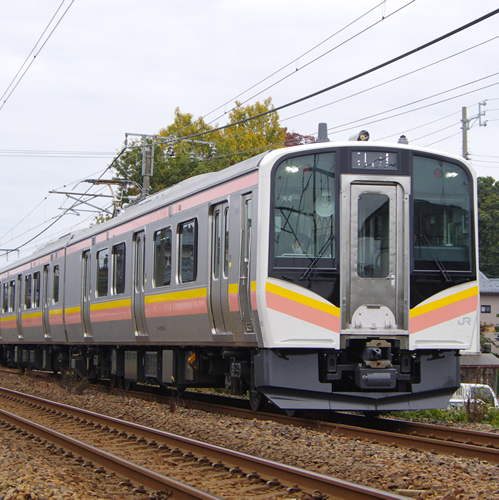
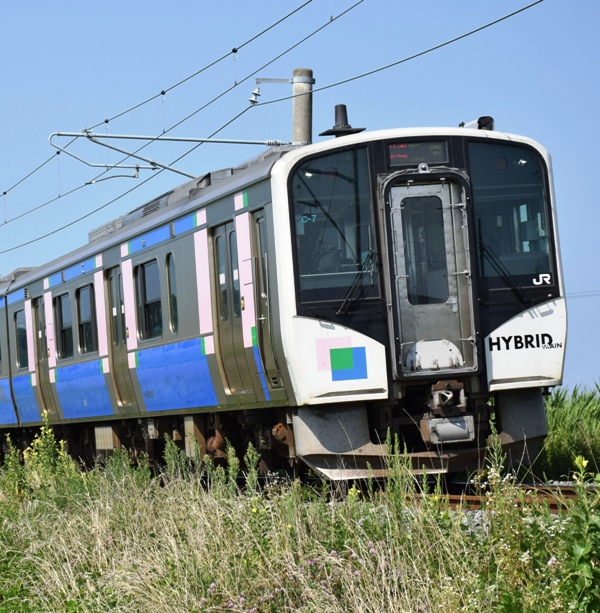
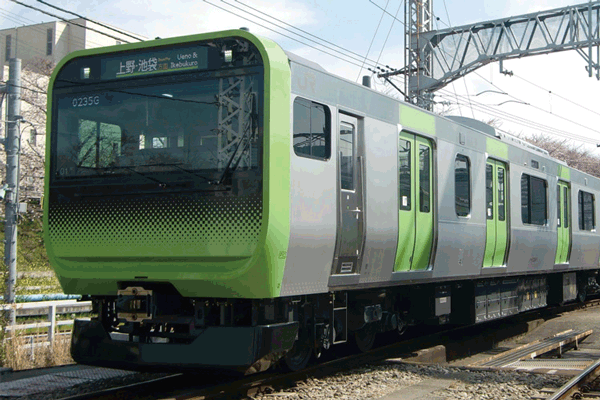
The concept of the “common platform” was introduced into the vehicle manufacturing to reduce development and manufacturing costs by making designs common as much as possible.This accommodates the manufacturing from the large-lot production of the East Japan Railway Company Series E235 to the small-lot production of the Shizuoka Railway Series A3000.
◾️“sustina” for Overseas Markets
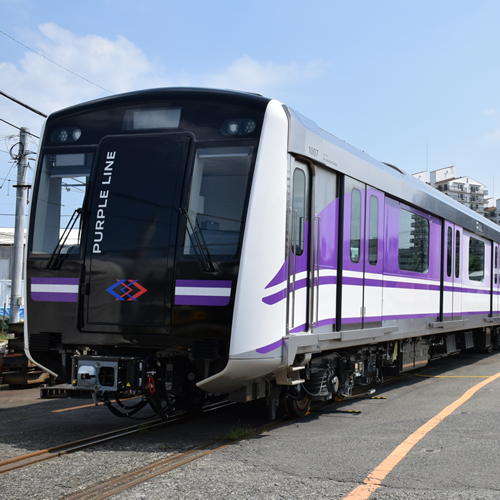
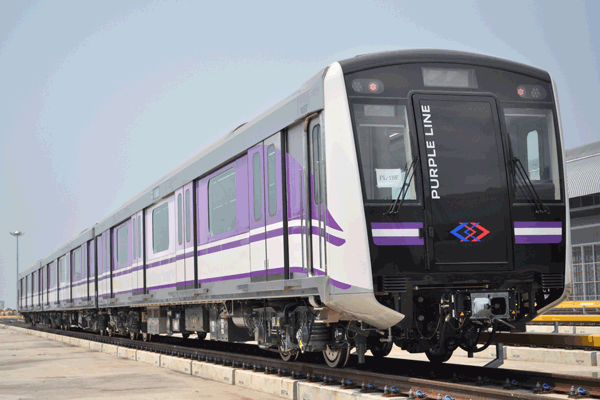
As the first overseas “sustina” project, we manufactured and delivered the vehicles for the MRT Purple Line, Bangkok’s urban railway in Thailand. The design was based on our stainless steel vehicle technology and applied the European EN standard. It was slightly larger than the 20-meter vehicle used for the domestic market.
2025
◾️”sustina” for Next-Generation under Development.
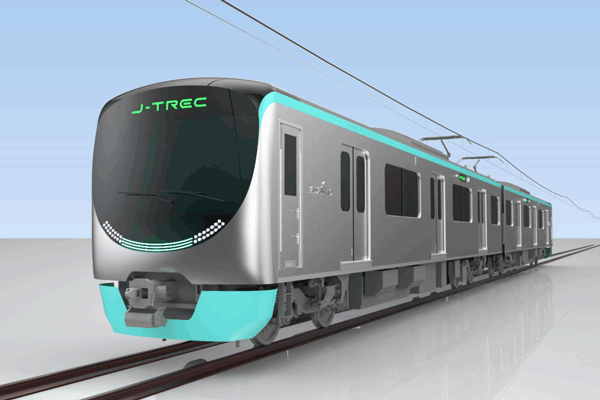
We will expand our lineup of short-formation series to meet regional needs and introduce new models featuring structures that make extensive use of laser welding to achieve an even more refined aesthetic, thereby contributing to the evolution and development of railways through “sustina.”
VISION sustina
Envisioning the Future of "sustina"
By combining flexible operation through advanced autonomous control with emotionally rich expression by emotional graphics, this new era of mobility brings harmony and gentleness to future society by creating a mobile space that combines beauty and comfort.
VISION sustina
Envisioning the Future of "sustina"
By combining flexible operation through advanced autonomous control with emotionally rich expression by emotional graphics, this new era of mobility brings harmony and gentleness to future society by creating a mobile space that combines beauty and comfort.